Why do animals enjoy being petted, and what are the biological and behavioral reasons behind this preference?
Animals enjoy being petted because specialized neurons in their skin activate specifically during gentle stroking, triggering the release of hormones like oxytocin that create feelings of pleasure and bonding. This biological mechanism is so fundamental that mice voluntarily seek environments where these neurons are activated, proving the sensation is both calming and rewarding.

Contents
- The Neurobiology of Petting: Why Animals Enjoy Being Stroked
- Hormonal Responses: Oxytocin and the Bonding Effect
- Specialized Neurons: MRGPRB4+ and the Science of Pleasant Touch
- Species-Specific Responses: Dogs, Cats, and Other Animals
- Evolutionary Advantages: Why Petting Behavior Developed
- Behavioral Benefits: Stress Reduction and Well-being
The Neurobiology of Petting: Why Animals Enjoy Being Stroked
The fundamental reason animals enjoy being petted lies in their nervous system’s response to gentle touch. All mammals possess specialized neurons in their skin that activate specifically during gentle stroking, not during sharper touches like pinching or poking. These neurons, found in hairy skin areas, are what make petting feel so pleasant to animals.
When you stroke an animal, you’re activating a rare subset of nerve cells that evolved specifically to detect harmless, pleasurable contact. According to research from Morning Sign Out at UCI, these neurons respond only to broad, gentle pressure - exactly what happens when we pet an animal. This specialized response explains why animals lean into our hands when we pet them rather than pulling away.
Interestingly, studies show that mice will actively choose environments where these neurons are activated over neutral environments. This preference indicates that the sensation isn’t just neutral - it’s genuinely rewarding. The biological pathways behind this preference are so strong that they form the foundation of why animals enjoy being petted.
Hormonal Responses: Oxytocin and the Bonding Effect
Beyond the neurological response, petting triggers powerful hormonal changes that create feelings of pleasure and attachment. When animals are gently stroked, their bodies release oxytocin - often called the “love hormone” or “bonding hormone” - which plays a crucial role in social connections and feelings of well-being.
In dogs, oxytocin is specifically released when trusted humans provide attention, which is why they actively seek out petting from people they know and trust. As noted by Dr. Bills Pet Nutrition, this hormonal response creates a positive feedback loop: animals enjoy being petted, so they seek more contact, which in turn strengthens their bond with humans.
The benefits of this hormonal response go both ways. Research consistently shows that 10 minutes of daily petting lowers human cortisol levels, reduces depression symptoms, and decreases blood pressure. This mutual benefit helps explain why the human-animal bond has evolved so strongly across thousands of years of domestication. The simple act of petting creates a biochemical connection between humans and animals that benefits both species.
Specialized Neurons: MRGPRB4+ and the Science of Pleasant Touch
The specific neurons responsible for the pleasure of petting are a fascinating discovery in neurobiology. Called MRGPRB4+ neurons, these specialized cells in the dorsal root ganglia act as polymodal C-low-threshold mechanoreceptors that specifically encode pleasant touch sensations.
According to PubMed Central research, these neurons respond to innocuous pressure, brush strokes, and mild heat - but not to sharp or painful stimuli. When scientists synthesized chemicals to activate these neurons in mice, the animals showed reduced stress behaviors, confirming that the sensation is both calming and pleasurable.
What makes these neurons particularly interesting is their selectivity. They fire specifically during gentle stroking but remain quiet during pinch or poke actions. This selectivity explains why animals enjoy certain types of petting but react negatively to rough handling. The research from CBS News explains that these neurons are linked to hair follicles with widely spaced nerve endings, making broad contact particularly effective at activating them.
The discovery of these specialized neurons has revolutionized our understanding of touch, showing that mammals have evolved dedicated neural pathways specifically for pleasant social touch - not just for detecting potential threats or pain.
Species-Specific Responses: Dogs, Cats, and Other Animals
While the biological mechanisms behind enjoying petting are similar across mammals, different species exhibit unique preferences and responses to tactile stimulation.
Dogs generally enjoy petting on nerve-rich areas like the chest, belly, shoulder, and head. They often lean into gentle strokes and may seek out specific types of touch, like head scratching. However, some dogs interpret top-down strokes as dominance displays rather than affection, which is why individual preferences vary.
Cats associate gentle stroking with maternal grooming from their kittenhood, which also triggers oxytocin release. They typically prefer familiar humans and may become overstimulated by intense or prolonged contact. Many cats engage in “bunting” behavior - rubbing their heads against people - which activates scent glands while also signaling friendliness.
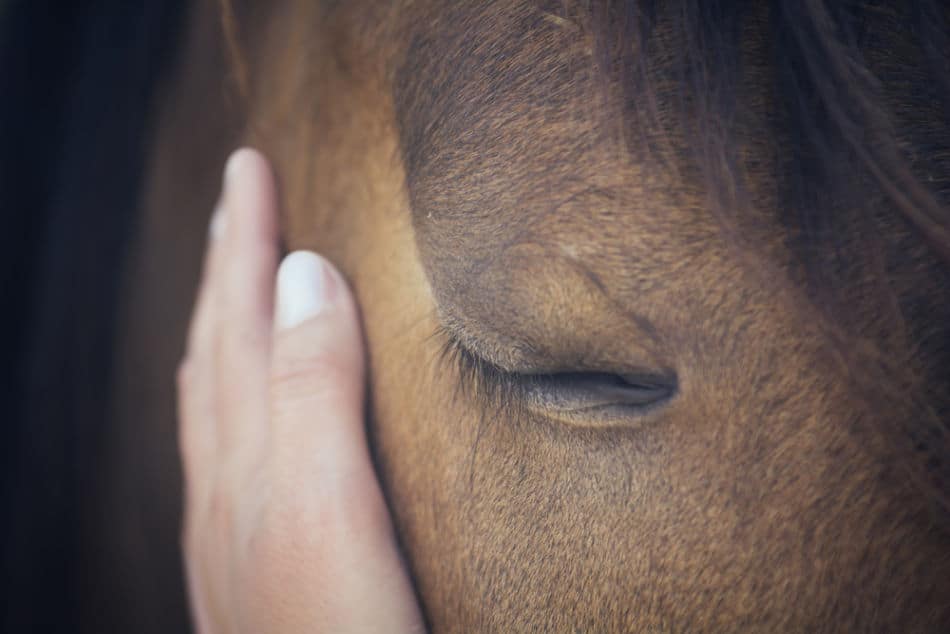
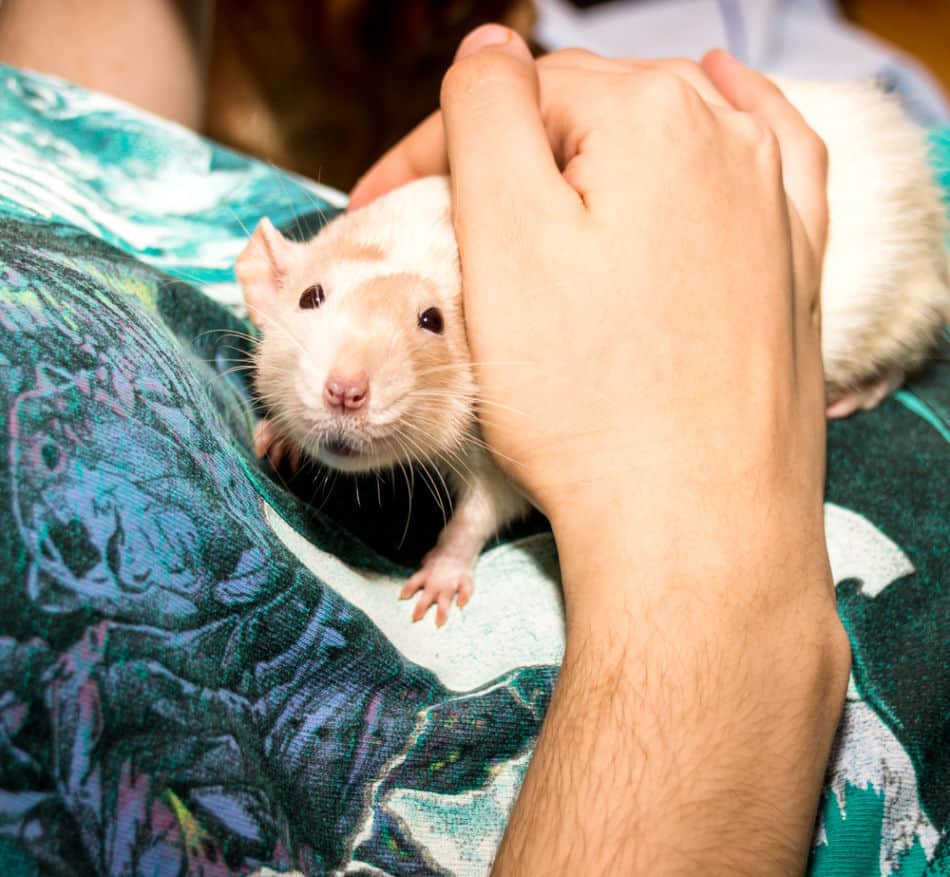
Other animals show their own unique preferences. Horses, for example, often enjoy being stroked along their neck and withers but may be sensitive about their flanks or legs. Smaller animals like rabbits generally prefer gentle strokes on their heads rather than their backs, which they might interpret as predator behavior.
As North American Nature explains, these species-specific preferences evolved from each animal’s natural social behaviors and communication methods. Understanding these differences helps pet owners provide the types of touch their animals genuinely enjoy.
Evolutionary Advantages: Why Petting Behavior Developed
The fact that animals enjoy being petted isn’t just a biological curiosity - it likely provided significant evolutionary advantages to both animals and humans. The preference for gentle touch appears to be deeply rooted in mammalian social behavior and survival mechanisms.
From an evolutionary perspective, tactile stimulation activates reward circuits in the brain that drive dopamine release. This creates a powerful reinforcement mechanism that encourages social bonding. Research shows that mice lacking MRGPRB4 neurons lose their preference for mild pressure in conditioned place preference tests, proving these neurons are essential for the pleasurable sensation that reinforces social touch.
Early tactile stimulation appears particularly important for development. Studies like those referenced by North American Nature show that rat mothers licking their young reduces anxiety later in life. This early bonding through touch likely helped offspring develop stronger social connections and better stress-coping abilities.
For humans and domesticated animals, the mutual enjoyment of petting created a powerful evolutionary advantage. Animals that enjoyed human touch were more likely to be cared for, fed, and protected, increasing their survival chances. Humans, in turn, benefited from the stress reduction and companionship that came from interacting with animals. This mutual benefit helped shape the remarkable interspecies bond we see today.
Behavioral Benefits: Stress Reduction and Well-being
The enjoyment animals have for being petted translates into significant behavioral and health benefits for both animals and humans. This simple interaction provides measurable physiological and psychological improvements that contribute to overall well-being.
For animals, regular petting reduces stress hormones like cortisol while increasing beneficial hormones like oxytocin. This hormonal shift can lead to lower blood pressure, reduced heart rate, and decreased anxiety levels. Many animals show visible signs of relaxation during petting, such as decreased muscle tension, slower breathing, and softening of facial expression.
The behavioral benefits extend beyond just stress reduction. Animals that receive regular, positive tactile interaction often show improved social behavior, increased confidence, and better adaptability to new situations. Puppies and kittens that receive gentle handling early in life tend to be more well-adjusted adults.
For humans, the benefits are equally significant. Studies have shown that interacting with animals through petting can lower human blood pressure, reduce stress hormones, and even improve immune function. The simple act of petting an animal triggers the human brain to release endorphins and serotonin, creating feelings of calm and contentment.
As noted by Dr. Bills Pet Nutrition, this mutual benefit helps explain why pet therapy programs have become increasingly common in healthcare settings. The combination of biological, behavioral, and emotional benefits creates a powerful tool for improving well-being across species.
Sources
- Morning Sign Out at UCI — University of California health blog explaining the neurobiology of pet therapy: https://sites.uci.edu/morningsignout/2019/07/16/pet-therapy-the-science-behind-petting-animals/
- CBS News — News report on the specialized neurons that respond to gentle stroking in animals: https://www.cbsnews.com/news/why-do-animals-love-petting/
- Dr. Bills Pet Nutrition — Pet nutrition blog explaining hormonal responses in dogs and cats to petting: https://drbillspetnutrition.com/why-do-animals-like-being-pet/
- PubMed Central — Scientific research article on MRGPRB4-lineage neurons and their role in pleasant touch: https://pmc.ncbi.nlm.nih.gov/articles/PMC11872644/
- North American Nature — Educational article on species-specific responses to petting and evolutionary benefits: https://northamericannature.com/why-do-animals-like-being-stroked/
Conclusion
The enjoyment animals have for being petted stems from a complex interplay of biological mechanisms and behavioral evolution. Specialized neurons called MRGPRB4+ activate specifically during gentle stroking, triggering oxytocin release and dopamine activation in reward circuits. This creates both immediate pleasure and reinforces the desire for continued social interaction. Different species have evolved unique preferences for how and where they like to be petted, reflecting their natural social behaviors. The mutual benefits of this interaction - reduced stress, stronger bonds, and improved well-being - explain why petting has become such a fundamental part of the human-animal relationship. Understanding these biological and behavioral reasons helps us provide better care for our animal companions while strengthening the remarkable bonds we share with them.
Animals experience oxytocin release when gently petted, reducing cortisol and lowering blood pressure. This biological response provides calming effects for both animals and humans. Research shows that specific nerve cells called MRGPRB4 in hairy skin activate only during gentle stroking, indicating pleasurable sensation. Studies demonstrate that mice voluntarily choose environments where these neurons are activated, confirming their preference for petting-like stimulation. These findings reveal that the enjoyment of being petted is rooted in neurobiological pathways that reward gentle touch and reinforce social bonding.
All mammals enjoy being caressed due to specialized neurons that respond specifically to gentle stroking. Research using lab mice revealed that a rare subset of neurons called MRGPRB4+ activates only during gentle touch, not from pinching or poking. When scientists synthesized a chemical to activate these neurons, mice showed reduced stress signs, confirming the sensation is both calming and pleasurable. These neurons are linked to hair follicles with widely spaced nerve endings, explaining why broad contact activates them but sharp pokes do not. Interestingly, humans have similar neurons in hair-covered skin areas, suggesting this is a shared biological trait across mammals.

Domesticated animals enjoy being petted because tactile stimulation activates neurons that release endorphins and oxytocin, creating feelings of pleasure. In dogs, oxytocin is released when trusted humans provide attention, leading them to seek contact on nerve-rich areas like the chest, belly, shoulder, and head. Cats associate gentle stroking with maternal grooming from kittenhood, also triggering oxytocin release; they prefer familiar humans and may become overstimulated by intense contact. This interaction reduces stress hormones like cortisol in both animals and humans, with studies showing that 10 minutes of daily petting lowers human cortisol, depression, and blood pressure. The biological reward system and need for social bonding explain why animals enjoy being petted.
Animals enjoy being petted because gentle mechanical stimulation activates Mrgprb4-lineage neurons in the dorsal root ganglia, which are polymodal C-low-threshold mechanoreceptors encoding pleasant touch. These neurons respond to innocuous pressure, brush, and mild heat, driving dopamine release in reward circuits that reinforces the behavior. Studies show that mice lacking Mrgprb4 neurons lose preference for mild pressure in conditioned place preference tests, proving these neurons are essential for pleasant sensation. Functional imaging reveals these neurons exhibit higher calcium transients to pressure than to brush or pinch, and they also respond to temperature stimuli (0°C and 50°C), demonstrating their polymodal nature. This biological mechanism forms the foundation for why animals enjoy tactile stimulation.
Neurons in the skin, such as MRGPRB4+ cells, fire specifically during gentle stroking but not during pinch or poke, showing specialized touch response. These include large nerve fibers for body position and small C fibers for gentle touch, with a subset responding specifically to stroking. Cats enjoy petting because it mimics grooming, activates scent glands, and triggers bunting behavior that marks territory and signals friendliness. Dogs respond to head scratching and bonding cues, though some may interpret top-down strokes as dominance. Early tactile stimulation, like rat mothers licking their young, reduces anxiety later in life. Humans experience dopamine and serotonin release in the anterior cingulate cortex when petting animals, lowering stress and heart rate. Overall, stroking strengthens bonds, reduces stress, and promotes calmness for both animals and humans.
