Japanese Emergency Responders Shoe Removal Customs
Learn about Japanese customs regarding shoe removal by emergency responders and service technicians entering private residences. Cultural norms compared to other countries.
Do Japanese emergency responders (police, firefighters, EMTs) and service technicians (repairmen, etc.) remove their shoes when entering private residences? What are the cultural norms and practices regarding shoe removal in professional contexts in Japan, especially compared to countries where this practice is less common?
In Japanese customs, emergency responders and service technicians typically remove their shoes when entering private residences, following the deeply ingrained cultural practice of shoe removal before crossing the genkan threshold. This tradition extends to all professional contexts in Japan, where maintaining cleanliness and showing respect for the living space takes precedence over convenience, unlike in many Western countries where shoe removal is primarily reserved for formal settings or specific cultural contexts.
Contents
- The Japanese Genkan System: Cultural Foundation of Shoe Removal
- Shoe Removal Customs in Japanese Private Residences
- Professional Practices: Emergency Responders and Service Technicians
- Comparison with Other Countries: Cultural Differences
- Practical Guidelines for Visitors and Professionals
The Japanese Genkan System: Cultural Foundation of Shoe Removal
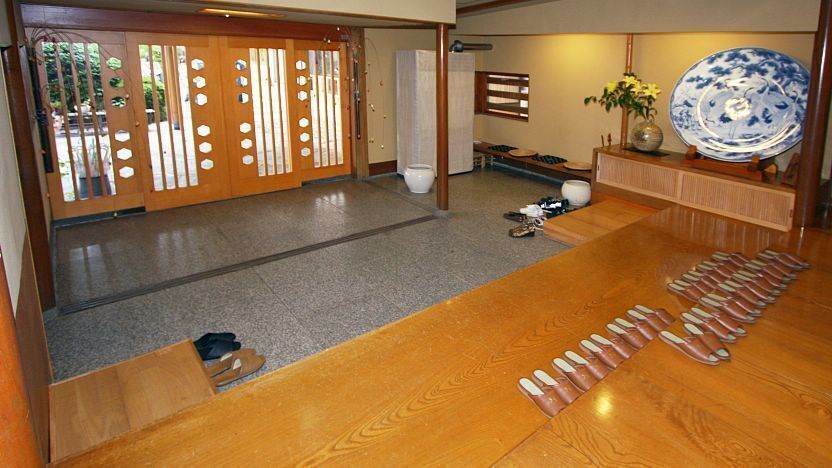
Japanese homes feature a distinct entrance area called the “genkan” which serves as the clear boundary between outside and inside spaces. This architectural element is fundamental to understanding shoe removal customs in Japan, as it creates a physical separation between the dirty outdoor world and the pristine indoor living environment. The genkan is typically divided into a lower section where people remove their shoes and an elevated section marking the indoor living space, with clear visual cues about where the transition occurs.
This design isn’t just practical—it’s deeply cultural. In Japan, the genkan represents not just a physical boundary but a symbolic one between public and private life, between the impurities of the outside world and the sanctity of the home. The practice of shoe removal before entering homes is so ingrained in Japanese customs that it applies to all visitors, including professionals and service providers, without exception. You won’t find emergency responders or repairmen in Japan wearing their outdoor shoes inside a private residence—it simply doesn’t happen in the context of normal on-site service.
Shoe Removal Customs in Japanese Private Residences
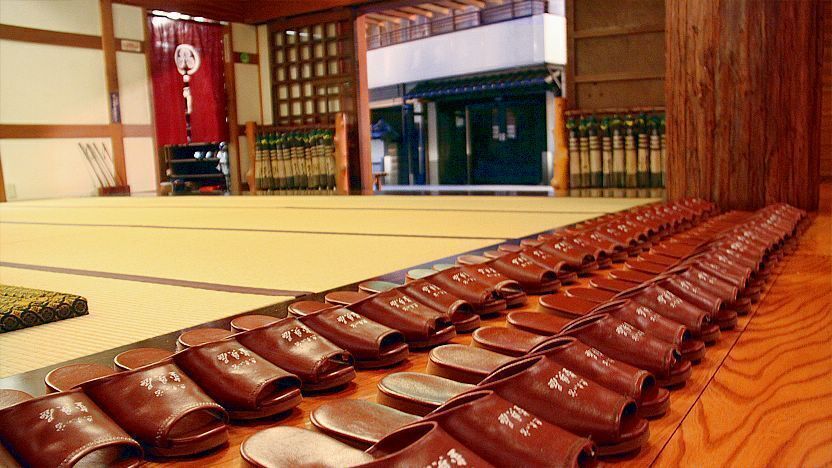
When entering a Japanese home, visitors must first remove their shoes at the genkan and step up into the elevated interior space. Indoor slippers are typically provided by the host and should be worn after removing outdoor shoes, as entering barefoot is considered impolite except in the most informal situations. This practice maintains cleanliness throughout the house—after all, who wants dirt tracked onto tatami mats or pristine flooring?
The system extends beyond just the main living area. When using the washroom in a private home, minshuku or ryokan, you will often find toilet slippers for exclusive use inside the washroom. This is part of the broader Japanese shoe removal customs that maintain cleanliness and respect for the living space. Visitors must remember to leave their usual slippers outside the washroom and change into the toilet slippers when entering, then change back afterward to avoid a common cultural faux pas.
Proper manners and consideration towards others are highly valued in Japan, with specific etiquette rules for various settings including inside homes. These customs demonstrate respect for the living space and its cleanliness, which is why shoe removal is strictly observed. The cultural emphasis on cleanliness and separation of indoor/outdoor spaces extends beyond homes to many traditional ryokan, restaurants, and indoor sections of temples, castles, and other historical buildings.
Professional Practices: Emergency Responders and Service Technicians
So, what about emergency responders and service technicians? In Japan, police officers, firefighters, EMTs, and repairmen all follow the same shoe removal protocol when entering private residences. They will arrive at the genkan, remove their shoes, and either proceed barefoot or use provided indoor slippers, just like any other visitor. This consistency across all social and professional contexts is what makes Japanese shoe removal customs so distinctive.
Why do they comply? It’s not just about respecting the homeowner—it’s about maintaining cultural harmony. Emergency responders in Japan understand that showing proper respect for the living space is part of their professional duty, even in urgent situations. They carry equipment in bags or cases that can be brought inside without contaminating the floors, and they’ll often use protective boot covers if they need to enter and exit quickly multiple times.
Service technicians, from plumbers to electricians, are equally mindful of these customs. They arrive prepared with boot covers or shoe covers if they anticipate needing to enter and exit frequently, demonstrating their awareness of Japanese cultural norms. This attention to detail isn’t just polite—it’s expected behavior that shows professionalism and respect for the client’s home and cultural practices.
Comparison with Other Countries: Cultural Differences
The contrast between Japanese shoe removal customs and those in many Western countries couldn’t be starker. In countries like the United States, Canada, or much of Europe, emergency responders and service technicians generally keep their shoes on when entering private residences. The cultural assumption is that outdoor shoes are acceptable indoors unless specifically requested otherwise or in certain cultural contexts (like some Asian homes or religious settings).
This difference stems from fundamentally different cultural approaches to cleanliness and privacy. Japanese culture views the home as a sanctuary that should be protected from outside impurities, while many Western cultures draw a clearer line between public and private spaces without the same emphasis on removing shoes. In Japan, the genkan creates a ritualized transition that reinforces this boundary, whereas Western homes typically have a more seamless transition between inside and outside.
In countries where shoe removal is less common, people might find Japanese customs excessive or impractical. “Do I really need to take off my shoes just to fix a leaky faucet?” a Western technician might wonder. But in Japan, the answer is a resounding “yes”—because maintaining the sanctity of the home space overrides considerations of convenience. This cultural difference extends beyond shoes to include attitudes about entering homes with shoes on, sitting on floors, and other practices related to maintaining clean living spaces.
Practical Guidelines for Visitors and Professionals
For anyone working in Japan or visiting Japanese homes, understanding these shoe removal customs is essential. If you’re a professional entering private residences, always be prepared to remove your shoes. Carry protective boot covers if you anticipate needing to enter and exit frequently, and consider bringing a small bag to carry your shoes if space is limited.
For visitors to Japan, watch your host’s cues. They’ll typically indicate where to remove your shoes and may provide indoor slippers. Remember to remove your toilet slippers when leaving the washroom—a common mistake for first-timers! And if you’re staying in traditional Japanese accommodations like ryokan, be prepared to remove shoes at multiple thresholds throughout the property.
Even in emergency situations, maintaining these customs demonstrates respect for Japanese culture. Emergency responders in Japan have learned to balance urgency with cultural sensitivity, often using specialized equipment that can be deployed without contaminating living spaces. This balance between efficiency and cultural respect is what makes Japanese society function smoothly despite its complex customs.
Sources
- Japan Guide - Entry Customs — Overview of Japanese shoe removal practices and genkan system: https://www.japan-guide.com/e/e2001.html
- Japan Guide - Toilet Slippers Etiquette — Specific customs regarding bathroom footwear in Japan: https://www.japan-guide.com/e/e2003.html
- Japan Guide - Manners and Etiquette — Cultural expectations for behavior inside Japanese homes: https://www.japan-guide.com/e/e622.html
Conclusion
Japanese customs regarding shoe removal are deeply ingrained in the culture and apply universally to all visitors, including emergency responders and service technicians. The genkan system creates a clear boundary between outside and inside spaces that is respected across all social contexts, reflecting Japan’s emphasis on cleanliness and respect for the living environment. While this practice may seem unusual to visitors from countries where shoe removal is less common, it represents a fundamental aspect of Japanese cultural identity that prioritizes maintaining clean, respectful living spaces above considerations of convenience or efficiency. Understanding and adhering to these customs is essential for anyone working in or visiting Japan, as it demonstrates respect for cultural norms that have been preserved for centuries.
Japanese homes feature a distinct entrance area called the ‘genkan’ which serves as the clear boundary between outside and inside spaces. This area is typically divided into a lower section where people remove their shoes and an elevated section marking the indoor living space. The practice of removing shoes before entering homes is deeply ingrained in Japanese customs and applies to all visitors, including professionals and service providers. Indoor slippers are typically provided by the host and should be worn after removing outdoor shoes, as entering barefoot is considered impolite except in informal situations.
When using the washroom in a private home, minshuku or ryokan, you will often find toilet slippers for exclusive use inside the washroom. This is part of the broader Japanese shoe removal customs that maintain cleanliness and respect for the living space. Visitors must remember to leave their usual slippers outside the washroom and change into the toilet slippers when entering, then change back afterward to avoid a common cultural faux pas.
Proper manners and consideration towards others are highly valued in Japan, with specific etiquette rules for various settings including inside homes. These customs demonstrate respect for the living space and its cleanliness, which is why shoe removal is strictly observed. The cultural emphasis on cleanliness and separation of indoor/outdoor spaces extends beyond homes to many traditional ryokan, restaurants, and indoor sections of temples, castles, and other historical buildings.
