Why Modern Cars Feature Muted Colors: The Shift from Vibrant to Neutral
Exploring why modern cars predominantly feature muted colors like black, gray, and white instead of vibrant options like Marina Blue and Sunburst Yellow from the late 1990s.
Why do modern cars predominantly feature muted colors like black, grey, silver, white, navy blue, and maroon, unlike the vibrant options such as Marina Blue and Sunburst Yellow available in the late 1990s and early 2000s?
Modern car colors have shifted dramatically toward muted neutrals like black, grey, silver, white, navy blue, and maroon because manufacturers prioritize production efficiency and resale value over flashy hues. Back in the late 1990s and early 2000s, vibrant options such as Marina Blue and Sunburst Yellow were everywhere, but post-2008 recession cost-cutting streamlined paint lines to just a few popular car colors, slashing waste and expenses. Today, these best car colors dominate—white at 29%, black at 23%, and gray at 22% globally—appealing to buyers who want timeless appeal without the premium price tag for bold shades.
Contents
- The Evolution of Automotive Colors: From Vibrant to Muted
- Economic Drivers: Why Manufacturers Favor Neutral Car Colors
- Technological Advancements in Automotive Paint
- Consumer Psychology Behind Popular Car Colors
- Regional Variations in New Car Colors
- The Future of Car Colors
- Sources
- Conclusion
The Evolution of Automotive Colors: From Vibrant to Muted
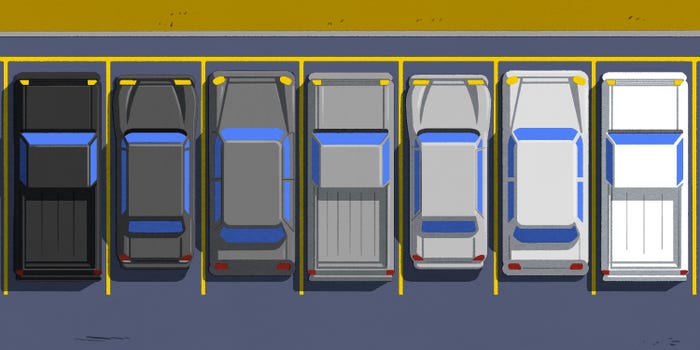
Ever pull into a parking lot and feel like you’re swimming in a sea of silver sedans and black SUVs? That’s no accident. As recently as 2005, over half of new cars sported colors beyond the big four neutrals—black, white, silver, gray. Fast forward to now, and less than 20% dare to be different. The late '90s and early 2000s? Pure vibrancy. Think Sunburst Yellow on a PT Cruiser or Marina Blue Mustangs popping against the drab backdrop.
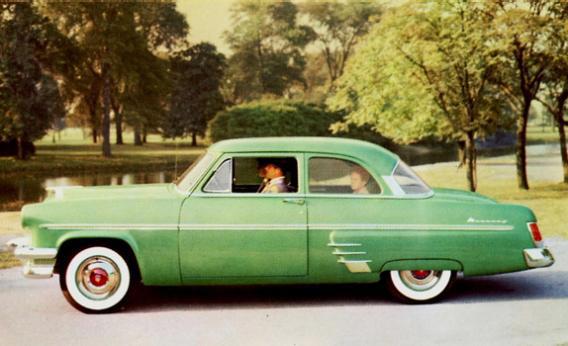
What changed? The 2008 financial crisis hit like a freight train. GM and Chrysler filed for bankruptcy, forcing ruthless efficiency. Suddenly, carmakers ditched the rainbow for basics. By 2025, Axalta’s global report paints the picture: neutrals rule 80% of the market. Silver’s even fading to 7%, while blue clings at 6%. It’s a stark reminder—trends don’t just happen; economics drives them.
Economic Drivers: Why Manufacturers Favor Neutral Car Colors
Here’s the cold math: fewer colors mean bigger batches, lower costs. Switching paints mid-line? That’s downtime, cleaning solvents, wasted inventory. One economist breakdown nails it—limiting to four neutrals cuts average total cost per vehicle through economies of scale. No more tiny runs of Sunburst Yellow eating profits.
Post-recession, this became gospel. Mainstream brands like Chevy now offer just 12% non-neutral shades, while exotics like Lamborghini flaunt 44% vibrant ones—for a premium, of course. Business Insider dug deep, revealing how tightened margins turned color variety into a luxury upsell. Buyers pay extra for bold? Fine. But most stick to safe bets that move off lots fast. Resale seals it—neutrals hold value better, per dealer data. Why risk a yellow hatchback gathering dust?
And don’t get me started on supply chains. Global paint suppliers optimize for high-volume grays. Deviate? You’re looking at custom pricing that ripples through the sticker.
Technological Advancements in Automotive Paint
Paint isn’t what it used to be. Gone are single-stage acrylics of the '90s—simple but fade-prone. Now? Multi-layer wizardry: colored base coat topped with glossy polyurethane clear coat, often laced with mica or aluminum flakes for that wet-look shimmer. Slate explains the shift: these systems mute vibrancy by design, reflecting light evenly for a sophisticated (read: subdued) finish.
Vibrant hues demand pricier pigments and precise application to avoid blotchiness. Neutrals? Forgiving, scalable. Effect paints—metallics, pearls—get sprinkled on performance models, but mass production sticks to basics. Durability plays in too: modern clears resist chips better on light shades, hiding road rash. Dark colors show swirl marks; whites mask dirt. It’s engineering meeting economics.
But could tech flip this? Nano-coatings promise bolder, longer-lasting colors without the hassle. For now, though, factories churn neutrals.
Consumer Psychology Behind Popular Car Colors
People crave safe. Neutrals scream “professional,” “versatile”—perfect for the minivan masses. Overchoice paralyzes; too many options at the dealership? Stick to gray. Studies back it: buyers favor timeless over trendy, boosting resale by 10-20% for whites and silvers.
Psychology digs deeper. Black conveys power; white purity. Grays? Understated luxury. Flashy yellows? Fun for 20-somethings, but families see “immature.” Post-2008, caution ruled—much like beige walls sell houses faster. Carmakers know: 80% of sales chase broad appeal. The rest? Niche colors as profit padders.
You might think personalization bucks this. Custom wraps exist, sure. But factory-fresh? Neutrals win the psychology game.
Regional Variations in New Car Colors
Not everywhere’s the same. North America inches toward bold—blues ticking up. Europe loves grays (27% in 2025). Asia? White reigns for heat reflection in sweltering cities. China bucks trends with golds and reds for luck.
Axalta’s data shows globalization homogenizing palettes, but local tastes linger. U.S. trucks stay black beasts; Japanese kei cars flirt with pastels. Still, neutrals bridge cultures, easing exports. Ever wonder why your local lot mirrors the world? Economies of scale don’t care about borders.
Sources
- Monday Morning Economist — Economic analysis of production costs and color limitations in car manufacturing: https://www.mondayeconomist.com/p/car-colors
- Business Insider — Detailed investigation into post-recession cost-cutting and the rise of boring car colors: https://www.businessinsider.com/why-car-colors-boring-black-white-gray-cost-cutting-2024-10
- Slate — Exploration of paint technology evolution and why neutrals dominate modern vehicles: https://slate.com/culture/2011/10/car-paint-colors-why-are-so-many-cars-painted-white-silver-and-black.html
- Axalta Coating Systems — 2025 Global Automotive Color Popularity Report with worldwide statistics: https://newsroom.axalta.com/posts/pressreleases/axalta-releases-2025-global-automotive-color
Conclusion
The dominance of muted car colors boils down to smart business: cost savings from streamlined production, tech that favors neutrals, and buyers who prioritize resale and simplicity over '90s flair. Vibrant shades like Marina Blue aren’t gone—they’re just pricier options for those willing to pay. As EVs and personalization tech evolve, we might see bolder new car colors creep back. Until then, that gray fleet isn’t boring; it’s brilliant efficiency in motion.

Modern cars favor muted colors because limiting paint options cuts production costs through economies of scale. A single color batch reduces cleaning, inventory, and waste, lowering the average total cost per vehicle. The 2008 recession forced automakers to streamline operations and offer fewer colors to keep prices affordable. Consumer behavior also shifted: overchoice can overwhelm buyers, so neutral tones simplify decisions and appeal to a broader market. Together, cost savings and simplified purchasing have made gray, silver, black, and white the dominant palette in the automotive industry.

As recently as 2005, more than half of all automobiles were painted a color other than black, white, silver, or gray. Today, less than 20% of vehicles fall into this category. The shift is due to corporate cost cutting as profit margins tightened. Automakers simplified production processes with fewer trim and paint options. After the 2008 financial crisis, GM and Chrysler’s bankruptcy accelerated this trend. Luxury brands like Lamborghini still offer more colorful options (44% of their vehicles), while mainstream brands like Chevy only offer 12% in non-neutral colors. Automakers now charge extra for vibrant colors, seeing them as additional revenue streams.

Modern automotive paint technology has evolved significantly from single-stage acrylic lacquers and enamels to multi-coat systems. These systems use a base coat for color and a polyurethane clear coat that reflects light, making colors appear muted and giving a high-gloss finish that can shimmer with mica or aluminum flakes. Manufacturers favor neutral colors like black, white, gray, and silver because they maintain better resale value. Buyers are more likely to sell a vehicle in a neutral shade, and effect paints with metallic or pearlescent flakes are used sparingly, mainly on high-tech or performance models, due to production costs.
According to Axalta’s 2025 Global Automotive Color Popularity Report, white (29%), black (23%), and gray (22%) dominate the global automotive palette, with silver dropping to 7% and blue only 6%. These figures reflect a market anchored in simplicity and neutral hues. While interest in finishes that add depth and individuality grows, most new vehicles are painted in muted tones because they appeal to a broad consumer base that values timeless design, resale value, and brand consistency. Regional variations show North American buyers are gradually shifting toward bolder colors, but the overall global trend still favors neutrals across all markets.


