Restaurant Menu Availability Standards in Developed Countries
Understanding menu item availability practices in restaurants. Learn about seasonal menus, supply chain impacts, and industry standards.
What is the standard practice for menu item availability in restaurants in developed countries? Is it common for all menu items to be available 100% of the time, or are some items regularly unavailable due to supply chain issues, seasonal availability, or other factors?
In developed countries, it’s not standard practice for all restaurant menu items to be available 100% of the time. Most restaurants strategically balance core staples with rotating seasonal offerings, frequently pulling items when supply chain issues arise or ingredients become unavailable. The industry standard involves maintaining a consistent menu foundation while incorporating flexibility for seasonal ingredients, limited-time offers, and supply chain challenges.
Contents
- Understanding Restaurant Menu Availability Standards
- Seasonal Menu Practices in Restaurants
- Supply Chain Impact on Menu Item Availability
- Menu Management Strategies in the Restaurant Industry
- Common Reasons for Menu Item Unavailability
- Best Practices for Communicating Menu Availability to Customers
- Sources
- Conclusion
Understanding Restaurant Menu Availability Standards
The restaurant industry in developed countries operates on a menu availability model that balances consistency with flexibility. Rather than maintaining every single menu item as a permanent fixture, restaurants typically establish a core menu of signature dishes available year-round, supplemented by rotating seasonal and limited-time offerings. This approach allows establishments to adapt to changing ingredient availability, customer preferences, and operational constraints while maintaining brand identity.
Most successful restaurants recognize that menu rigidity can lead to waste, increased costs, and disappointed customers when promised ingredients become unavailable. The contemporary standard involves a strategic menu architecture where certain items remain constant (often the most popular and reliable dishes), while others change based on seasonality, supply chain conditions, and promotional opportunities. This flexible approach has become increasingly important in recent years as supply chain disruptions and ingredient sourcing challenges have become more common.
The core menu typically includes dishes that can be prepared consistently regardless of seasonal changes, use readily available ingredients, and represent the restaurant’s culinary identity. These might include staples like burgers, pasta dishes, grilled proteins, or signature cocktails that don’t rely on highly perishable or seasonal components.
Seasonal Menu Practices in Restaurants
Seasonal menu rotation represents one of the most significant factors affecting menu item availability in developed countries. Restaurants frequently redesign parts of their menu to reflect seasonal ingredients and culinary trends, creating a dynamic dining experience that keeps customers engaged throughout the year. This practice isn’t just about following food trends—it’s deeply connected to ingredient availability, cost efficiency, and quality optimization.
Summer menus might feature lighter dishes with fresh berries, stone fruits, and seasonal vegetables, while winter menus often include heartier comfort foods featuring root vegetables, squashes, and warming spices. Spring brings ingredients like asparagus, peas, and early greens, while autumn highlights mushrooms, apples, and harvest vegetables. These seasonal rotations mean that many menu items are only available during specific times of the year, creating anticipation and encouraging repeat visits.
The implementation of seasonal menus requires careful planning and coordination between chefs, suppliers, and management. Restaurants must consider ingredient lead times, growing seasons, and preservation methods to ensure quality and consistency. Some establishments develop a “calendar menu” that rotates through four distinct seasonal offerings, while others may implement smaller, more frequent changes every 6-8 weeks.
Limited-time offers (LTOs) represent another aspect of seasonal menuing, where restaurants introduce special items for shorter periods—sometimes just a few weeks. These might coincide with holidays, local events, or promotional campaigns. LTOs create urgency and excitement, driving customer traffic while allowing chefs to experiment with new concepts without committing them to the permanent menu.
Supply Chain Impact on Menu Item Availability
Supply chain disruptions have emerged as a critical factor affecting menu availability in developed countries’ restaurant industry. The global nature of food distribution means that even well-established restaurants can face unexpected shortages of key ingredients due to various factors. Unlike seasonal availability, which is predictable and planned for, supply chain issues often arise suddenly and require immediate menu adjustments.
Several types of supply chain challenges directly impact restaurant menu availability:
-
Ingredient shortages: When specific crops fail due to weather events, political instability in growing regions, or transportation failures, restaurants may need to remove entire dishes from their menu. For example, a Brussels sprout-based shareable might be pulled when the produce becomes scarce, as seen in Puttshack’s menu overhaul where they removed such dishes during shortages.
-
Shipping delays: International shipping disruptions can delay the arrival of imported ingredients, forcing restaurants to either substitute items or temporarily remove dishes that depend on those specific components.
-
Quality issues: Even when ingredients are available, they may not meet the restaurant’s quality standards, leading to voluntary removal of menu items to maintain consistency and customer expectations.
-
Cost fluctuations: Sudden price increases for certain ingredients may make some menu items economically unviable, prompting restaurants to either reformulate dishes or remove them entirely.
-
Regulatory changes: New import restrictions, food safety regulations, or labeling requirements can affect the availability of certain ingredients, requiring menu modifications.
These supply chain challenges have led many restaurants to develop more resilient menu strategies, including:
- Building relationships with multiple suppliers for key ingredients
- Creating menu flexibility that allows for easy substitution of components
- Developing dishes that can be prepared with alternative ingredients when primary options are unavailable
- Implementing more frequent menu updates to respond quickly to changing conditions
The COVID-19 pandemic particularly highlighted these vulnerabilities, causing many restaurants to rethink their approach to menu design and ingredient sourcing to build greater resilience against future disruptions.
Menu Management Strategies in the Restaurant Industry
Successful restaurants employ sophisticated menu management strategies that balance customer expectations with operational realities. These approaches help establishments maintain profitability while providing excellent dining experiences despite the challenges of ingredient availability and supply chain constraints. The most effective strategies involve careful planning, flexibility, and communication with both customers and suppliers.
One key strategy is menu engineering, which involves analyzing the popularity and profitability of menu items to determine which dishes should remain constant and which can be rotated. High-volume, high-margin items typically form the core menu, while lower-performing dishes are periodically reviewed and potentially replaced. This data-driven approach ensures that the menu remains both financially viable and appealing to customers.

Another important strategy is developing a “menu architecture” with different tiers of dishes:
-
Core menu (60-70% of offerings): These are the signature dishes available year-round, representing the restaurant’s culinary identity and most reliable ingredients.
-
Seasonal menu (20-30% of offerings): These items change with seasons, allowing for ingredient variety and freshness while creating excitement among regular customers.
-
Limited-time offerings (5-10% of offerings): Special promotions, holiday specials, or experimental dishes that create urgency and drive traffic.
-
Daily specials: Items created based on what’s fresh and available that day, often communicated verbally by servers.
Many restaurants also implement “menu testing” strategies, where new dishes are introduced temporarily to gauge customer response before potentially adding them to the permanent menu. This approach reduces the risk of investing in dishes that may not resonate with customers.
Inventory management systems play a crucial role in menu strategy, helping restaurants track ingredient usage, identify potential shortages before they impact the menu, and optimize purchasing decisions. Modern restaurants often use digital inventory tools that integrate with their POS systems to provide real-time data on ingredient availability and usage patterns.
The concept of “menu flexibility” has become increasingly important, with many establishments designing dishes that can accommodate ingredient substitutions when necessary. This might involve creating multiple preparation methods for the same dish or designing recipes that work with alternative ingredients while maintaining flavor profiles and presentation.
Common Reasons for Menu Item Unavailability
Despite careful planning, menu item unavailability remains a common occurrence in restaurant operations. Understanding the root causes helps both restaurant professionals and customers navigate these situations more effectively. The factors leading to menu item unavailability can be broadly categorized into several key areas:
Seasonal and Agricultural Factors
- Growing seasons: Many ingredients are only available during specific times of year when they’re at peak quality and flavor.
- Weather events: Droughts, floods, frosts, or other extreme weather can devastate crops, making certain ingredients unavailable.
- Harvest cycles: Even ingredients that grow year-round may have specific harvest windows when they’re at their best.
- Animal products: Availability of certain meats, fish, and dairy products can be affected by breeding cycles, migration patterns, or fishing regulations.
Supply Chain and Distribution Issues
- Transportation problems: Delays in shipping, refrigeration failures, or fuel shortages can disrupt ingredient deliveries.
- Labor shortages: Shortages in truck drivers, warehouse workers, or delivery personnel can impact the supply chain.
- Customs and border issues: Import restrictions, tariffs, or customs delays can affect international ingredient availability.
- Packaging shortages: Sometimes the packaging for ingredients is unavailable even when the ingredients themselves are available.
Quality Control Considerations
- Ingredient standards: Restaurants often maintain high quality standards and will remove items when ingredients don’t meet those standards.
- Freshness requirements: Some dishes require ingredients that must be used within very short timeframes, leading to temporary unavailability.
- Consistency concerns: If an ingredient’s quality or characteristics vary significantly, restaurants may temporarily remove dishes that depend on consistency.
Operational and Strategic Decisions
- Menu rotation: Restaurants intentionally rotate items to keep the menu fresh and interesting.
- Cost optimization: When ingredient prices rise dramatically, restaurants may remove items to maintain profitability.
- Equipment limitations: If specialized equipment is needed for certain dishes and becomes unavailable or breaks down, those dishes may be temporarily removed.
- Staff expertise changes: When chefs or kitchen staff with specialized skills leave, certain complex dishes may need to be removed temporarily.
Regulatory and Compliance Issues
- Food safety regulations: New regulations or inspections may temporarily affect the availability of certain ingredients or preparation methods.
- Labeling requirements: Changes in ingredient labeling laws may require reformulation or removal of dishes.
- Health code compliance: If a dish preparation method violates updated health codes, it may need to be removed until preparation methods can be adjusted.
Understanding these factors helps set realistic expectations for both restaurant operators and customers. While some unavailability is predictable and planned, other situations arise unexpectedly due to circumstances beyond the restaurant’s control.
Best Practices for Communicating Menu Availability to Customers
Effective communication about menu availability is crucial for maintaining customer satisfaction and trust. Restaurants that handle menu transparency well can turn potential frustration into positive experiences by managing expectations and offering alternatives. Several best practices have emerged in the industry for communicating menu item availability:
Proactive Communication
- Digital menu updates: The most successful restaurants update their online menus in real-time to reflect current availability. This includes restaurant websites, third-party delivery platforms, and social media channels.
- Staff training: Servers should be thoroughly trained on current menu availability and able to confidently communicate alternatives when items are unavailable.
- Visual indicators: Some restaurants use visual cues like strikethrough text, special symbols, or color-coding to indicate unavailable items on digital menus.
Customer-Facing Communication Strategies
- Daily specials boards: Physically displaying what’s fresh and available that day creates excitement and manages expectations.
- Verbal communication: Servers should proactively inform customers about unavailable items when they’re seated, rather than waiting until after ordering.
- Alternative suggestions: When an item is unavailable, servers should be prepared with similar alternatives or recommendations based on customer preferences.
- Honest explanations: Providing brief, honest explanations for unavailability (when appropriate) helps customers understand the situation and builds trust.
Operational Communication Systems
- Internal communication tools: Many restaurants use internal messaging systems or apps to keep all staff informed about menu changes and availability issues.
- Supplier coordination: Maintaining open communication with suppliers helps restaurants anticipate potential shortages and plan menu adjustments accordingly.
- Kitchen-to-floor communication: Establishing clear channels between the kitchen and front-of-house ensures that servers have accurate, up-to-date information about availability.
Digital Menu Management
- Real-time updates: Modern restaurant POS systems can integrate with digital menus to automatically update availability across all platforms.
- Customer notifications: Some systems can automatically notify customers who have saved favorites when items become available again after being temporarily unavailable.
- Menu analytics: Tracking which unavailable items generate the most customer inquiries helps prioritize restocking efforts or alternative development.
Handling Customer Reactions
- Empathy training: Staff should be trained to respond empathetically when customers express disappointment about unavailable items.
- Problem-solving approach: Instead of simply saying “we don’t have that,” staff should frame responses around solutions: “We don’t have that today, but I can recommend something similar that’s just as delicious.”
- Feedback collection: Some restaurants collect feedback on unavailable items to determine whether they should be reformulated, replaced with alternatives, or brought back when ingredients are available again.
The most successful restaurants view menu availability communication not as a problem to be managed, but as an opportunity to enhance the customer experience. By being transparent, proactive, and solution-oriented, they can maintain customer satisfaction even when ideal menu items aren’t available.
Sources
- Restaurant Business — Industry analysis on menu management and seasonal availability practices: https://restaurantbusinessonline.com/food/puttshack-overhauls-its-menu-adding-50-new-food-beverage-items
Conclusion
The standard practice for menu item availability in restaurants across developed countries is not maintaining 100% availability of all menu items. Instead, successful restaurants implement strategic menu management that balances core offerings with seasonal rotations and responsive adjustments to supply chain challenges. This flexible approach allows establishments to maintain quality, control costs, and adapt to changing conditions while still providing consistent culinary experiences.
Seasonal menu practices represent one of the most significant factors affecting availability, with restaurants naturally rotating ingredients based on harvest cycles and optimal flavor periods. Supply chain disruptions have further emphasized the need for menu flexibility, with many establishments developing contingency plans for ingredient shortages and implementing more resilient sourcing strategies.
The most effective restaurants view menu availability as a dynamic aspect of operations rather than a static list of offerings. They communicate proactively with customers about availability, offer meaningful alternatives when items are unavailable, and use data-driven approaches to menu engineering that prioritize both customer satisfaction and operational efficiency. This balanced approach has become increasingly important in recent years as the restaurant industry faces greater challenges in ingredient sourcing and supply chain stability.
Ultimately, while customers may occasionally encounter unavailable items, the standard practice in developed countries involves thoughtful menu management that prioritizes quality, consistency, and adaptability—ensuring that the dining experience remains positive even when perfect menu availability isn’t possible.
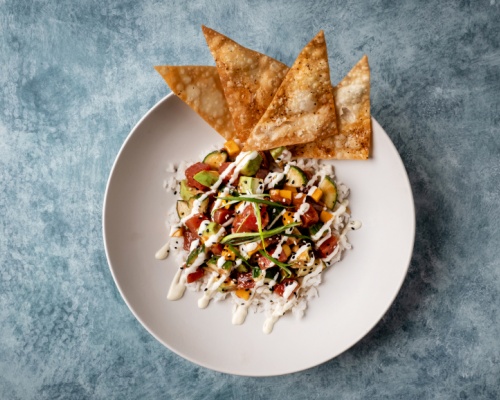
In developed-country restaurants, a core set of menu items is usually available every day, but many venues also rotate seasonal dishes, limited-time offers, and occasionally pull items that cannot be sourced reliably. Puttshack’s revamp illustrates this: the chain added 50 new items but cut its SKU count from 350 to 170, removing dishes like a Brussels-sprout-based shareable when the produce was scarce. The company also plans seasonal ‘LTO’ cocktails and keeps a handful of staples—such as the Tuna Poke Bowl and signature burgers—available year-round, a strategy that balances consistency with flexibility.
The Restaurant.org website is temporarily unavailable while we work to improve it. We apologize for any inconvenience. This source would normally provide authoritative information about restaurant industry standards and practices, but no specific content about menu availability was accessible at the time of research.

The page content focuses on culinary schools and related resources, and it does not discuss restaurant menu practices or supply chain issues. Therefore, there is no information available in this page regarding whether menu items are typically available all the time or subject to seasonal or supply constraints. In short, the page does not provide an answer to the question about menu item availability in restaurants.

