Tattoo Pain on Scar vs Regular Skin: Key Differences
Compare tattoo pain levels between scar tissue and regular skin. Learn about factors affecting pain, special considerations, and techniques tattoo artists use for scar tissue.
How does the pain level compare between getting a tattoo on a surgery scar versus a regular tattoo? What factors affect the pain experience when tattooing over scar tissue, and are there any special considerations or techniques tattoo artists use for scar tissue?
Tattooing on scar tissue is generally more painful than tattooing on regular skin, with pain levels varying based on scar type, depth, and healing stage. Surgery scars often cause less pain once fully healed, while raised or deep scars like keloids can be significantly more painful. Factors affecting pain include scar sensitivity, nerve involvement, skin texture, and the artist’s technique used to minimize discomfort.
Contents
- Pain Comparison: Tattoo on Scar vs Regular Skin
- Factors Affecting Pain Experience When Tattooing Over Scars
- Types of Scars and Their Impact on Tattoo Pain
- Special Considerations for Tattooing Over Scar Tissue
- Techniques Tattoo Artists Use for Scar Tissue
- Aftercare and Healing for Tattoos on Scar Tissue
Pain Comparison: Tattoo on Scar vs Regular Skin
Tattooing over scar tissue is generally more painful than tattooing on unscarred skin. According to Healthline, scar tissue is thicker, denser, and more sensitive than regular skin, which can make the tattooing process feel more intense. The pain level varies significantly depending on the scar’s characteristics and how well it has healed.
For surgical scars specifically, the pain experience is often comparable to a regular tattoo once the scar has fully healed—typically 12-18 months after the original surgery. Platinum Ink explains that surgical scars, being precise incisions with minimal scarring, tend to be less painful than other scar types when properly healed. However, if the scar is still in the healing process or has exposed nerve endings, it can be significantly more painful than normal skin.
The key difference in pain perception comes from how scar tissue responds to needle penetration. Unlike normal skin, scar tissue has different nerve density and lacks the same elasticity, which can make the sensation more intense. Oracle Tattoo Gallery notes that deep scars, especially those with nerve damage, can turn a tolerable tattoo session into a mind-numbing experience, while superficial scars hurt considerably less.
Factors Affecting Pain Experience When Tattooing Over Scars
Several factors influence how painful tattooing over scar tissue will be. The scar’s age is crucial—scars older than 12-18 months generally heal better and are less painful to tattoo. New or healing scars tend to be more sensitive and can react unpredictably to the tattooing process.
Scar sensitivity varies significantly based on individual factors and scar characteristics. Aliens Tattoo explains that the body location plays a major role, with areas rich in nerve endings like ribs, hands, or feet being more painful regardless of scar presence. The scar’s sensitivity itself depends on how recently it formed and whether it has fully healed.
Nerve involvement is another critical factor. Scars that have damaged nerves during the original injury or surgery can create unusual pain sensations—sometimes heightened, sometimes reduced. Healthline emphasizes that nerve damage can make scar tissue particularly challenging to tattoo, often requiring special techniques or approaches.
Skin texture and irregularities also affect pain levels. Raised or bumpy scars create inconsistent needle contact, causing fluctuating pain sensations. Smooth, flat scars tend to be more predictable in terms of pain, though they may still be more uncomfortable than regular skin. Oracle Tattoo Gallery notes that the artist’s technique can significantly impact pain levels, with experienced professionals using methods to minimize discomfort.
Types of Scars and Their Impact on Tattoo Pain
Different types of scars produce varying pain experiences during tattooing. Keloid scars, which are raised and extend beyond the original wound boundaries, are typically the most painful to tattoo. These scars contain excessive collagen and can be hypersensitive, making the tattooing process significantly more intense than on regular skin.
Hypertrophic scars are similar to keloids but don’t extend beyond the original wound boundaries. They’re raised and can be quite painful to tattoo due to their density and sensitivity. Aliens Tattoo suggests that both keloid and hypertrophic scars tend to hurt more than other scar types, requiring special consideration and potentially multiple sessions.
Atrophic scars, which are depressed or sunken into the skin (common with acne or chickenpox), generally cause less pain than raised scars. These scars often have reduced nerve sensitivity, making them more comparable to regular skin in terms of tattoo pain. However, their uneven texture can still create challenges during the tattooing process.
Burn scars present unique challenges depending on their depth and maturity. Superficial burn scars may tattoo similarly to regular skin, but deeper burn scars with nerve damage can be extremely painful. Oracle Tattoo Gallery advises that artists must carefully evaluate burn scars before proceeding, as they can have unpredictable pain responses.
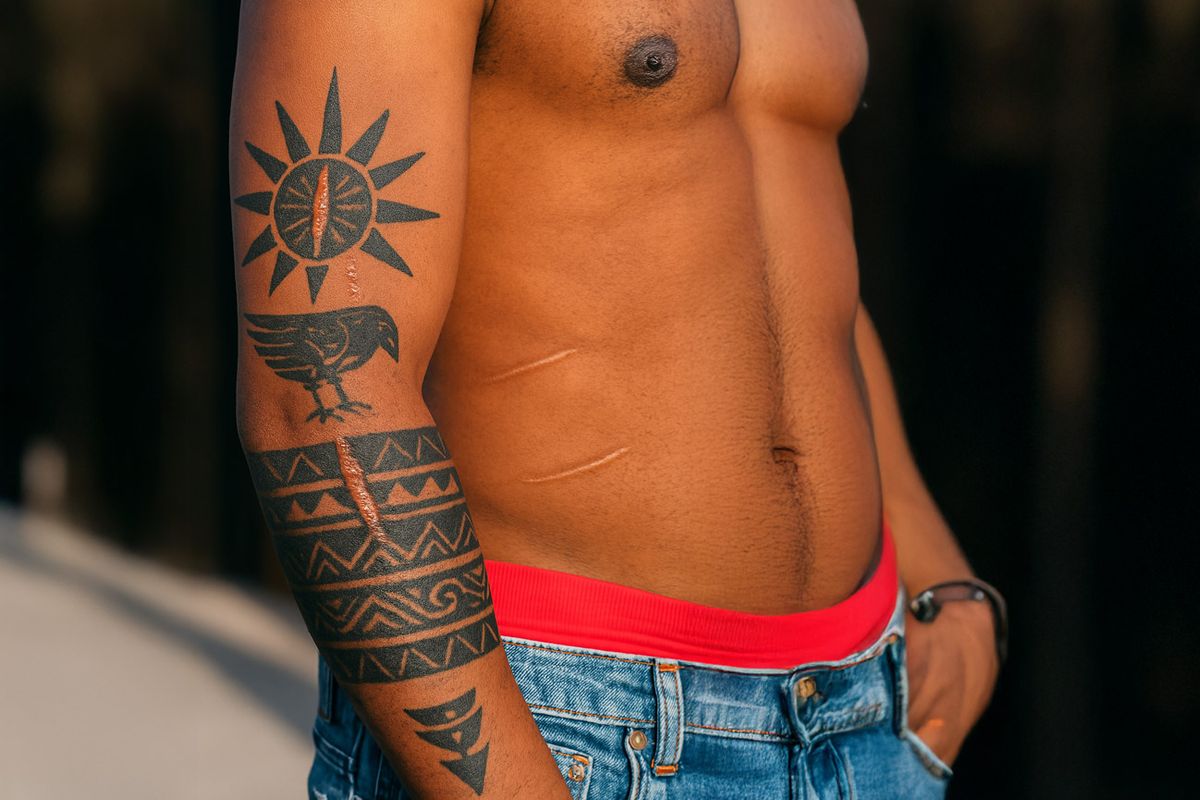
Surgical scars are generally the most favorable for tattooing once fully healed. These scars tend to be more precise and uniform, often causing only slightly more discomfort than regular skin. Platinum Ink notes that properly healed surgical scars can be tattooed with minimal additional pain, especially when the artist incorporates the scar into the design.
Special Considerations for Tattooing Over Scar Tissue
When considering tattooing over scar tissue, several important factors must be addressed before proceeding. The most critical consideration is timing—waiting until the scar is fully healed. For most scars, this means waiting at least 12-18 months after the original injury or surgery. Platinum Ink emphasizes that rushing this process can lead to poor results, increased pain, and potential complications.
Artist selection is paramount when tattooing over scars. You should choose an artist with specific experience in scar tattooing who understands how different scar types respond to tattooing. Sandeen & Lee recommends finding someone who can evaluate your scar and advise whether it’s suitable for tattooing, as not all scars can be successfully tattooed.
Design selection plays a crucial role in both pain management and aesthetic outcome. For scar tissue, certain designs work better than others. Aliens Tattoo suggests that floral or botanical motifs often blend well with scar edges, while sharp linework directly over scar tissue can be problematic. The design should incorporate and complement the scar rather than fight against it.
Health considerations are particularly important when tattooing over scars. Sandeen & Lee notes that individuals with low immune systems may not be good candidates for scar tattooing, as proper healing requires a strong immune response. Additionally, any signs of active scar inflammation or keloid formation should be addressed before considering tattooing.
Techniques Tattoo Artists Use for Scar Tissue
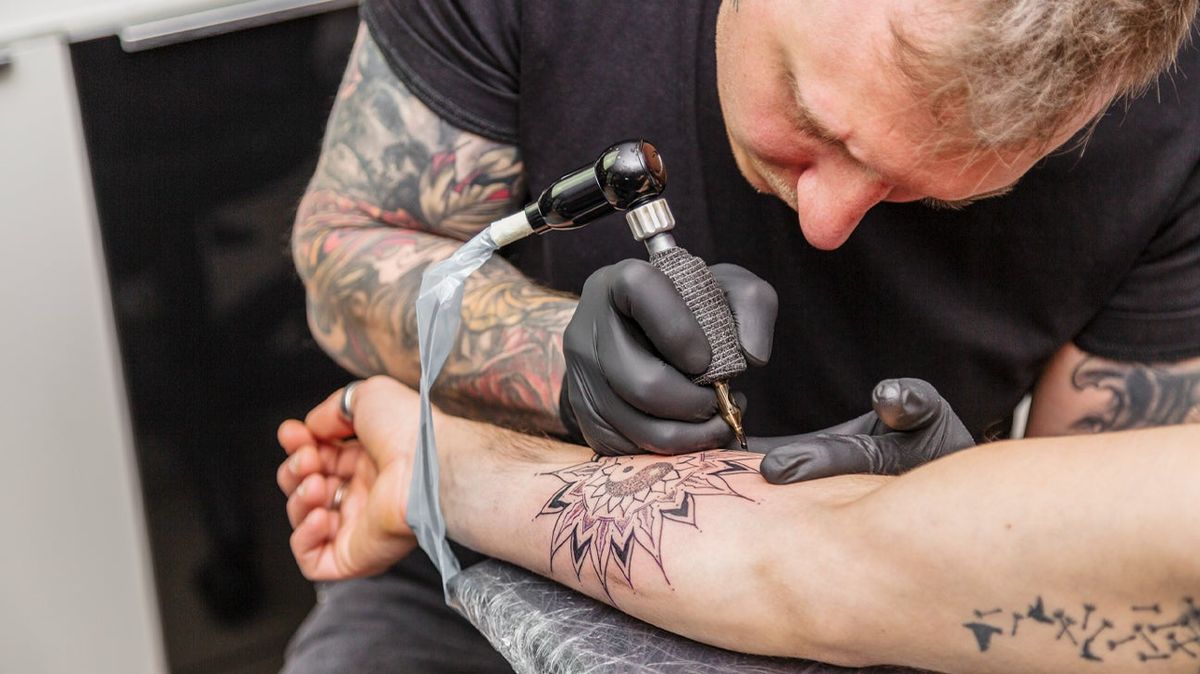
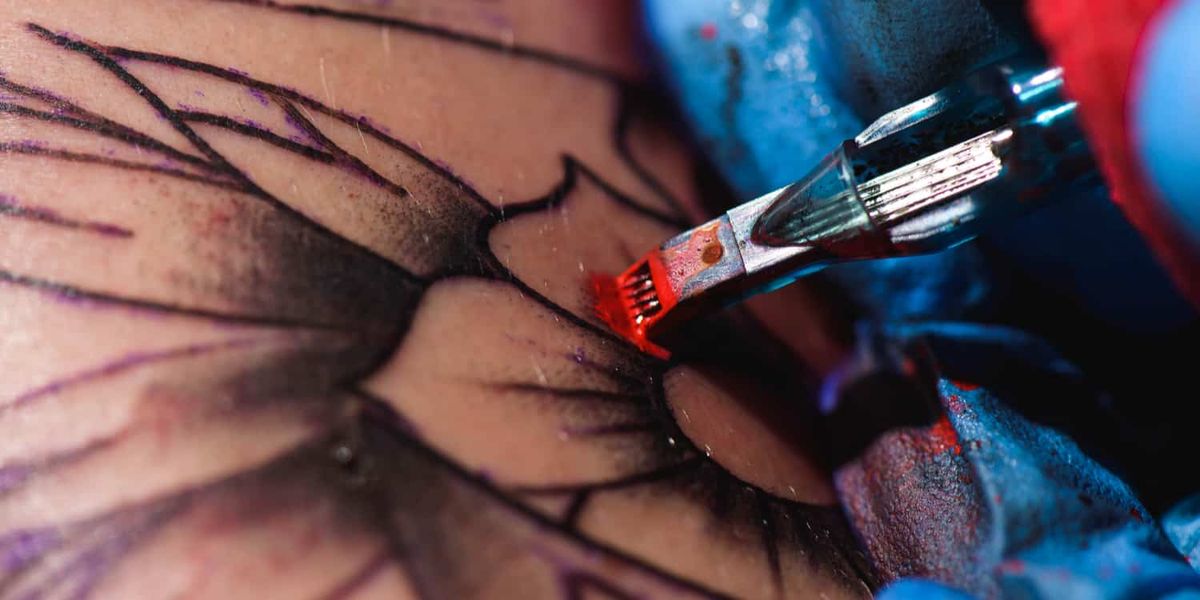
Experienced tattoo artists employ specialized techniques when working with scar tissue to minimize pain and improve results. One common approach is using multiple sessions rather than trying to complete the entire tattoo in one sitting. This allows the skin to recover between sessions and reduces overall discomfort.
Needle selection and machine settings are adjusted for scar tissue. Artists typically use softer, round-liner needles rather than sharp shaders, and may run their machines at slower speeds to reduce trauma to the sensitive tissue. Platinum Ink explains that lighter needles and slower pacing can significantly reduce irritation while still achieving the desired result.
Shading and color blending techniques help mask irregularities in scar tissue. Rather than solid lines, artists often use gradients and blending to create a more natural appearance that incorporates the scar. Oracle Tattoo Gallery notes that this approach not only improves aesthetics but can also reduce the number of needle passes needed, thereby decreasing pain.
Pressure control is essential when tattooing over scars. Artists must carefully monitor the pressure they apply to avoid causing ink blowouts, where pigment spreads beyond the intended lines. Aliens Tattoo emphasizes that proper pressure control is especially important with raised scars, as too much pressure can damage the tissue while too little may result in poor ink retention.
Aftercare and Healing for Tattoos on Scar Tissue
Aftercare for tattoos on scar tissue requires special attention and may differ from regular tattoo aftercare. Scar tissue can remain irritated, raised, or sore longer than normal skin after tattooing. Sandeen & Lee recommends monitoring the tattoo closely for signs of infection or unusual reactions, as scar tissue may respond differently to the tattooing process.
The healing process for tattoos on scars often takes longer than for regular tattoos. Platinum Ink suggests allowing extra healing time and potentially scheduling a touch-up session after the initial healing period to ensure the ink remains stable and properly settled into the scar tissue.
Moisturizing the tattooed scar is particularly important. Scar tissue tends to be drier than normal skin, and proper hydration can help the healing process. However, over-moisturizing should be avoided, as this can cause the ink to blur. Healthline recommends following your artist’s specific aftercare instructions, which may include specialized ointments or moisturizers designed for sensitive or scarred skin.
Protection from sun exposure is crucial for tattoos on scar tissue. Scar tissue is more susceptible to sun damage, and UV exposure can cause the tattoo to fade or blur more quickly than on regular skin. Oracle Tattoo Gallery advises using high-SPF sunscreen on the tattooed area even after it has fully healed to preserve the tattoo’s appearance and prevent the scar from darkening.
Sources
- Healthline - Comprehensive guide on tattooing over scar tissue and pain factors: https://www.healthline.com/health/body-modification/tattoo-over-scar
- Aliens Tattoo - Ultimate guide for tattoo on scar cover-ups and pain management techniques: https://www.alienstattoo.com/post/an-ultimate-guide-for-tattoo-on-scar-cover-up-tattoos
- Oracle Tattoo Gallery - Detailed information on pain levels and special considerations for scar tattoos: https://oracletattoogallery.com/tattoo-over-a-scar-what-to-know-pain-level-and-more
- Platinum Ink - Professional insights on tattooing over scars and veins with pain reduction techniques: https://platinumink.net/tattooing-over-scars-and-veins-what-you-need-to-know
- Sandeen & Lee - Medical perspective on tattooing over plastic surgery scars and healing considerations: https://sandeenandlee.com/blog/can-you-tattoo-over-plastic-surgery-scars
Conclusion
Tattooing on scar tissue is generally more painful than on regular skin, with pain levels varying based on scar type, depth, and healing stage. Surgery scars often cause comparable pain to regular tattoos once fully healed, while raised or deep scars like keloids can be significantly more painful. Factors affecting pain include scar sensitivity, nerve involvement, skin irregularity, and the artist’s techniques used to minimize discomfort. When considering tattooing over scars, it’s essential to wait until the scar is fully healed (typically 12-18 months), choose an experienced artist who can incorporate the scar into the design, and follow specialized aftercare to ensure proper healing. With the right approach and professional guidance, getting a tattoo on scar tissue can be a successful and rewarding experience.
Scar tissue is generally more painful to tattoo than unscarred skin. The pain can be more intense for certain scar types such as keloid, hypertrophic, atrophic, and burn scars, especially if the scar is deep, large, or has nerve damage. For surgery scars, which are usually precise incisions with minimal scarring, the pain is often comparable to a regular tattoo once the scar has fully healed, but the artist may work the scar into the design to minimize discomfort. Factors that affect pain include scar type, depth, size, nerve involvement, skin irregularity, and the healing stage. Special considerations for scar tissue include waiting until the scar is fully healed (often a year for keloids, longer for deep scars), choosing an experienced artist who can incorporate the scar into the design, using a lighter needle or slower speed, and selecting inks that are less likely to bleed or migrate. Techniques such as shading, color blending, and medical-grade tattooing can help cover irregularities and reduce the risk of worsening the scar.

The pain of tattooing over a surgical scar can be similar to or even less than a regular tattoo, but it depends largely on the scar’s sensitivity, location, and type. Surgical scars are often precise incisions that may heal with minimal nerve damage, so once fully healed they can feel less painful than fresh or raised scars. However, if the scar is still healing or has exposed nerve endings, it can be more painful than normal skin. The main factors that influence pain are scar sensitivity (new or healing scars are usually more sensitive), the body location (areas with many nerve endings such as ribs, hands, or feet are more painful), and the scar type (hypertrophic and keloid scars are raised and tend to hurt more, while atrophic or stretch-mark scars are recessed and usually less painful). Tattoo artists often use special techniques for scar tissue, such as multiple sessions to allow the skin to recover, careful pressure control to avoid ink blowouts, color matching and texture shading to blend the scar into the design, and sometimes 3-D or full-ink cover-ups for larger or more prominent scars. These methods help reduce discomfort and improve the final appearance while minimizing the risk of infection or further scarring.

Scar tissue generally makes tattooing more painful than on unscarred skin. Deep scars, especially those with nerve damage, can turn a tolerable session into a mind-numbing experience, while superficial scars hurt less. Pain is influenced by scar depth, texture, color, size, and the type of scar (hypertrophic, atrophic, keloid, or amputation). Artists will examine the scar before work, avoid fresh or sun-burned scars, and may use larger, more intricate designs for keloids to cover the raised texture. They also anticipate a “blowout” effect, where ink spreads beyond the lines, and may adjust needle depth or pressure to minimize it. Post-tattoo, the scar may stay irritated, raised, or sore longer than normal skin, so clients should monitor for infection. Finally, a strong immune system is essential for proper healing, so low immunity is a contraindication.
Tattooing over a fully healed surgical scar is generally more painful than a tattoo on regular skin because scar tissue is thicker, less flexible, and more sensitive. The pain level varies with scar type—keloid or hypertrophic scars can feel even more intense, while a flat, healed surgical scar may be only slightly more uncomfortable. Factors that affect the experience include the scar’s age (scars older than 12–18 months heal better), the scar’s texture and thickness, the tattoo’s size and design, and the artist’s technique. Experienced tattooists use softer, watercolor or shaded styles that blend with the scar, avoid fine line work directly over the scar tissue, and may use lighter needles or a slower pace to reduce irritation. They also ensure the skin is fully healed, moisturized, and clean, and they may recommend touch-ups after the initial healing period to keep the ink stable.
Scar tissue is typically more painful than regular skin because it is denser and more sensitive, especially if the scar is deep or has nerve damage. Pain levels also depend on how fully healed the scar is; a freshly healed scar can be more tender. Scar tissue absorbs ink less, which can make the tattoo appear blurry and may require more passes, adding to discomfort. To reduce pain and improve results, wait until the scar is fully healed (often 12–18 months), choose an experienced tattoo artist familiar with scar work, and select designs that blend with the scar edges—floral or botanical motifs work better than sharp linework. After the session, follow the artist’s aftercare routine closely, as scar tissue can become aggravated and may take hours or days to settle.

