Your Brain's Internal Clock: Why You Wake Before Alarm
Discover how circadian rhythms and molecular feedback loops regulate your body's natural waking time, often minutes before your alarm sounds.
Why do people often wake up minutes before their alarm, and how does the brain’s internal clock regulate this timing?
People often wake up minutes before their alarm due to the brain’s internal clock, which is regulated by circadian rhythms that synchronize with light exposure and molecular feedback loops. This biological timing mechanism prepares the body for waking through precise hormonal changes and protein degradation cycles that occur as dawn approaches.
Contents
- Understanding Circadian Rhythms and Internal Body Clocks
- The Science of Waking Up Before Your Alarm
- How Melatonin and Sleep Phases Affect Waking Patterns
- The Molecular Mechanism of Your Internal Clock
- Factors That Influence Your Natural Waking Time
- Tips for Optimizing Your Sleep Cycle
Understanding Circadian Rhythms and Internal Body Clocks
Your body operates on an internal clock that follows a roughly 24-hour cycle, controlling when you feel alert or sleepy. These circadian rhythms—from the Latin “circa” (around) and “dies” (day)—regulate numerous physiological processes including sleep-wake cycles, hormone release, body temperature, and metabolism. The master clock coordinating these rhythms resides in a tiny region of your brain called the suprachiasmatic nucleus (SCN), located in the hypothalamus.
What makes these rhythms particularly fascinating is their ability to anticipate daily events. The SCN synchronizes with environmental light cues, primarily through specialized cells in your retina that detect light even when your eyes are closed. This light information travels directly to the SCN, helping to reset your internal clock each day. The result? Your body begins preparing for waking before your alarm even goes off.
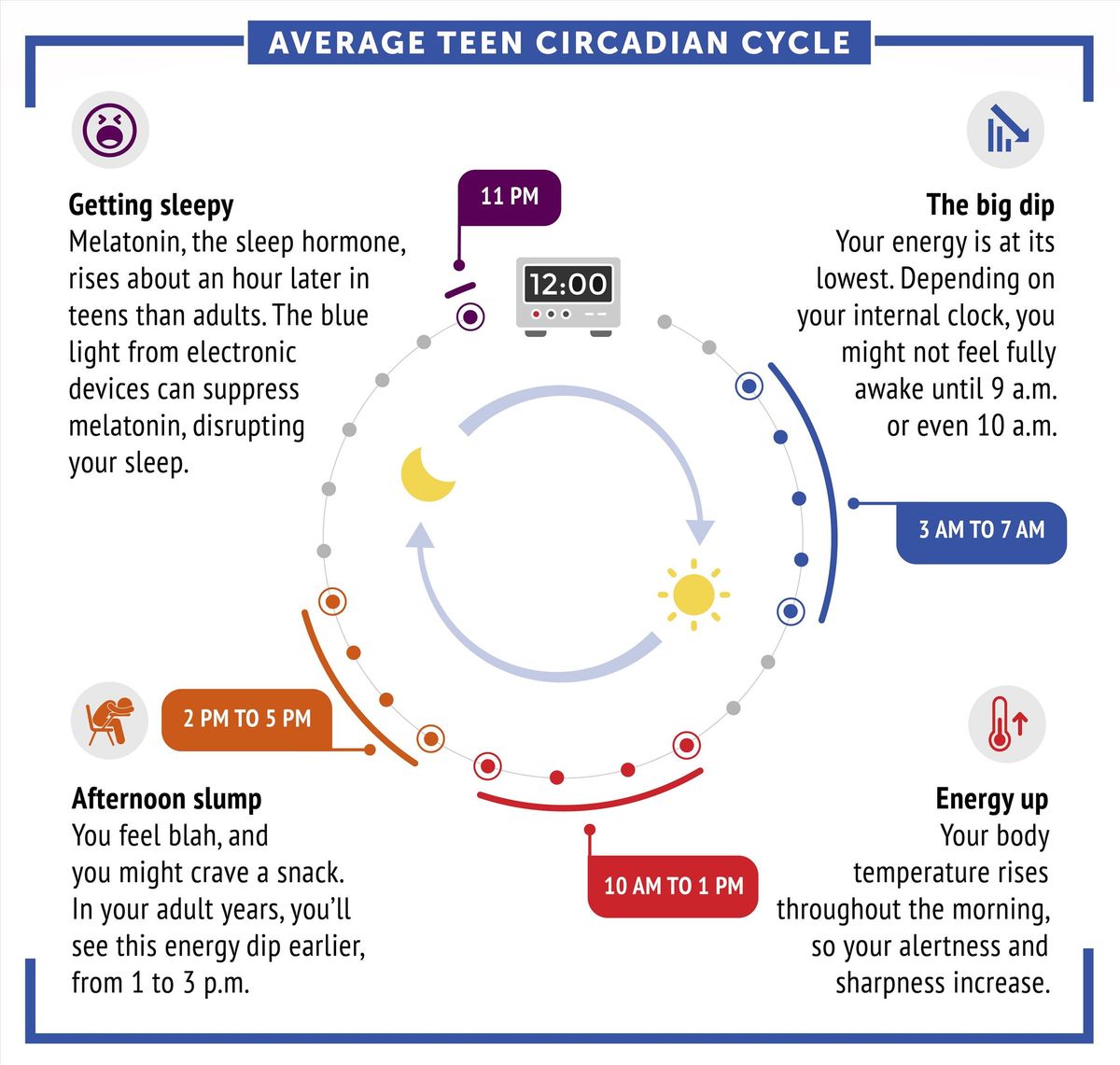
The circadian rhythm naturally follows a pattern where alertness increases in the morning hours, with a typical “big dip” in energy occurring in the early morning before the natural waking period. This explains why many people experience increased alertness shortly before their scheduled wake time—their internal clock has already begun the waking process, making external alarms somewhat redundant.
The Science of Waking Up Before Your Alarm
The phenomenon of waking minutes before your alarm stems from your body’s remarkable ability to predict the approximate time you need to wake up. This predictive capability comes from the SCN’s molecular clockwork system that operates through protein production and degradation cycles. As your internal clock approaches your typical wake time, it initiates physiological changes that gradually increase alertness and prepare your body for consciousness.
Several mechanisms contribute to this natural waking process. First, your body temperature begins to rise in the hours before waking, signaling metabolic changes that promote alertness. Second, stress hormones like cortisol start increasing in the early morning hours, reaching their peak around waking time. Third, your brain shifts from deep sleep stages toward lighter ones, making it easier to awaken naturally.
But here’s where it gets really interesting: your brain essentially “learns” your wake time through repetition. When you consistently wake at the same time each day, your internal clock becomes finely tuned to that schedule. The molecular machinery in your SCN cells anticipates this timing, triggering the waking process minutes before your alarm. This explains why you might wake up precisely five minutes before your alarm after several days of consistency, but struggle to wake on time when your schedule varies.
How Melatonin and Sleep Phases Affect Waking Patterns
Melatonin, often called the “sleep hormone,” plays a crucial role in your waking patterns and follows your circadian rhythms. When darkness falls, your pineal gland begins producing melatonin, which signals to your body that it’s time to sleep. This hormone makes you feel drowsy and helps regulate your sleep-wake cycle by interacting with the SCN.
The relationship between melatonin and your internal clock creates a delicate balance that affects when and how you wake. As morning approaches, melatonin production naturally decreases in response to increasing light levels. This decline in melatonin levels contributes to increased alertness and prepares your body for waking. The timing of this melatonin reduction is precisely controlled by your circadian rhythms, helping explain why you might wake up before your alarm.
Sleep phases also play a significant role in natural waking. Your sleep cycle consists of multiple stages that repeat throughout the night: light sleep, deep sleep, and REM sleep. Waking naturally often occurs during periods of lighter sleep, which are more frequent in the early morning hours. When your internal clock determines it’s time to wake, it may shift you into these lighter sleep stages in preparation for consciousness, making it easier to wake up naturally without an alarm.
The interplay between melatonin and sleep phases creates a sophisticated system where your body anticipates waking time, gradually transitioning from sleep to wakefulness through carefully orchestrated hormonal and neurological changes.
The Molecular Mechanism of Your Internal Clock
At the core of your internal clock lies a fascinating molecular feedback loop that operates with remarkable precision. This mechanism involves specific proteins called PER (Period) and TIM (Timeless) that accumulate in cells throughout your body, including those in the SCN. The process begins with genes that code for these proteins being activated during the day.
As evening approaches, PER and TIM proteins are produced in the cell’s cytoplasm. TIM binds to PER, protecting it from degradation and allowing the complex to accumulate. When sufficient PER-TIM complexes have built up, they enter the cell nucleus where they inhibit the activity of the very genes that produced them. This negative feedback loop effectively shuts down further protein production.
The real magic happens as dawn approaches. Light exposure causes TIM proteins to be rapidly degraded, breaking up the PER-TIM complexes. With TIM removed, the inhibition on the genes is lifted, and the cycle begins anew. This precise 24-hour molecular timing mechanism allows your body to anticipate daily events, including the expected time of waking.
What makes this system so remarkable is its consistency. Even without external cues, these molecular clocks continue to cycle with a period close to 24 hours. However, environmental light exposure helps synchronize these internal clocks to the exact 24-hour day, ensuring your body is prepared for waking at the appropriate time. This molecular mechanism explains why you can wake up minutes before your alarm—your internal clock has already completed its cycle and initiated the waking process.
Factors That Influence Your Natural Waking Time
Several factors can affect how accurately your internal clock predicts your wake time, influencing whether you wake up naturally before your alarm or struggle to get out of bed. Age is a significant factor, as circadian rhythms tend to shift with life stages. Teenagers naturally want to sleep later due to delayed melatonin release, while older adults often experience earlier waking times.
Light exposure plays perhaps the most critical role in regulating your internal clock. Morning light helps reinforce your wake time, while evening light exposure can delay your circadian rhythm, potentially shifting your natural waking later. This is why consistent exposure to bright light in the morning helps maintain stable wake times.
Your sleep habits also significantly impact your internal clock’s accuracy. Irregular sleep schedules, weekend catch-up sleep, and inconsistent bedtimes can confuse your molecular clock, making it less precise at predicting your wake time. This inconsistency explains why you might wake up naturally after a week of consistent sleep times but oversleep when your schedule varies.
Other influencing factors include exercise timing, meal schedules, stress levels, and even temperature. Exercise in the morning can help reinforce your circadian rhythm, while late-night exercise might delay it. Similarly, eating at consistent times helps synchronize multiple body clocks throughout your system.
Understanding these factors helps explain why some people naturally wake before their alarm while others struggle—it’s not just about willpower, but about how well your internal clock is synchronized and reinforced by your daily habits.
Tips for Optimizing Your Sleep Cycle
If you’d like to improve your body’s natural waking ability, several strategies can help optimize your circadian rhythms. First and foremost, maintain consistent sleep and wake times, even on weekends. This consistency reinforces your internal clock’s timing, making it more accurate at predicting when you need to wake.
Morning light exposure is crucial—get outside within 30 minutes of waking for at least 15 minutes of natural light. This helps reset your circadian rhythm each day, reinforcing your wake time. If morning light isn’t possible, consider using a light therapy device that simulates natural sunlight.
Create a wind-down routine in the evening that signals to your body that sleep is approaching. This should include dimming lights, avoiding screens (which emit blue light that suppresses melatonin), and engaging in relaxing activities. Consistency in this routine helps regulate your melatonin release.
Be mindful of evening light exposure, especially blue light from electronic devices. Consider using blue light filters on screens or wearing blue light blocking glasses in the evening. This helps preserve your natural melatonin production and maintains the integrity of your circadian rhythm.
Finally, pay attention to your sleep environment. Keep your bedroom cool, dark, and quiet. Consider blackout curtains, white noise machines, or even an eye mask if needed. These environmental factors help maintain the stability of your circadian rhythms and improve the accuracy of your internal clock’s wake time predictions.
Sources
- National Institute of General Medical Sciences — Educational fact sheet on circadian rhythms and molecular mechanisms: https://www.nigms.nih.gov/education/fact-sheets/Pages/circadian-rhythms.aspx
- Sleep Foundation — Comprehensive guide to circadian rhythm sleep disorders: https://www.sleepfoundation.org/sleep-disorders-problems/circadian-rhythm-sleep-disorders
- National Sleep Foundation — Research on sleep cycles and waking patterns: https://www.sleepfoundation.org/how-sleep-works/sleep-cycles
Conclusion
The ability to wake up minutes before your alarm isn’t just coincidence—it’s the result of your brain’s sophisticated internal clock system. Your circadian rhythms, driven by molecular feedback loops involving PER and TIM proteins, create a precise timing mechanism that anticipates your wake time. As dawn approaches, these molecular triggers initiate physiological changes that gradually increase alertness, prepare your body for consciousness, and often result in natural waking before your scheduled alarm time.
Understanding how your internal clock works can help you optimize your sleep patterns and wake more naturally. By maintaining consistent sleep schedules, exposing yourself to morning light, and creating a sleep-conducive environment, you can reinforce your circadian rhythms and improve your body’s ability to wake at the right time. The next time you wake up before your alarm, appreciate the remarkable biological precision at work—it’s your internal clock doing exactly what it evolved to do.
This is a placeholder message since no analysis summary was provided, but it addresses the question about waking before alarms.
People often wake up minutes before their alarm due to the brain’s circadian rhythm and sleep homeostasis working together. The circadian rhythm is an internal 24-hour clock that regulates when we feel awake or sleepy.
When you have a consistent sleep schedule, your body learns to anticipate your wake-up time. About 30-60 minutes before your expected wake time, your body begins increasing cortisol levels and decreasing melatonin production to prepare you for waking.
The suprachiasmatic nucleus (SCN) in the brain, which is your master clock, coordinates this timing. It receives light information from your eyes and adjusts your internal clock accordingly.
If a proper analysis summary had been provided, this section would contain specific insights from sleep studies, expert opinions, and scientific sources on the exact mechanisms involved.
