Why Over-the-Counter Medicines Don't Cure Common Cold
Over-the-counter cold remedies relieve symptoms like congestion and cough but can't cure the viral common cold. Learn why antibiotics fail, how to support immunity, and when to seek medical help from experts like Mayo Clinic and CDC.
Why don’t over-the-counter medicines cure the common cold?
Over-the-counter medicines don’t cure the common cold because it’s triggered by viruses like rhinoviruses, which replicate inside your cells and evade these drugs entirely. These remedies—think decongestants, pain relievers, or cough suppressants—only mask symptoms such as runny noses, sore throats, and fatigue, buying your immune system time to fight back. Antibiotics won’t help either; they target bacteria, not the viral culprits behind most colds.

Contents
- The Viral Nature of the Common Cold
- How OTC Medicines Work (and Don’t Work)
- Why Antibiotics Are Ineffective for Colds
- Supporting Your Body’s Natural Defense System
- When to Seek Medical Attention
- Sources
- Conclusion
The Viral Nature of the Common Cold
Picture this: you wake up with a scratchy throat and stuffy nose. That’s the common cold striking, usually courtesy of over 200 different viruses, with rhinoviruses leading the pack. These sneaky pathogens invade the cells lining your nose and throat, hijacking them to make copies of themselves. Your body eventually spots the invasion and mounts an immune response, but it takes 7-10 days on average.
No pill from the pharmacy shelf can stop that viral replication directly. Unlike bacterial infections, which antibiotics dismantle, viruses integrate too deeply into our biology. The Cleveland Clinic nails it: even flu antivirals don’t touch rhinoviruses effectively. So why do we keep reaching for those colorful boxes? Comfort, mostly. But expecting a cure? That’s where disappointment sets in.
How OTC Medicines Work (and Don’t Work)
OTC cold remedies sound promising—ibuprofen for aches, pseudoephedrine for congestion, maybe some menthol for that cough. They dial down inflammation, dry up mucus, or numb pain signals. Feel better? Sure, temporarily. But cure the cold? Not a chance.
Here’s the rub: these drugs tweak your body’s reactions, not the virus fueling the fire. The Mayo Clinic points out they won’t shorten your illness or prevent spread. Studies back this; most combo packs (antihistamines plus decongestants) show little edge over placebos, and they can upset stomachs or spike blood pressure.
Ever tried one and still dragged through a full week of sniffles? That’s normal. A few standouts like zinc lozenges (if started early) or intranasal sprays might shave off a day, per American Academy of Family Physicians reviews. But overall, OTC meds are symptom sidekicks, not viral assassins.
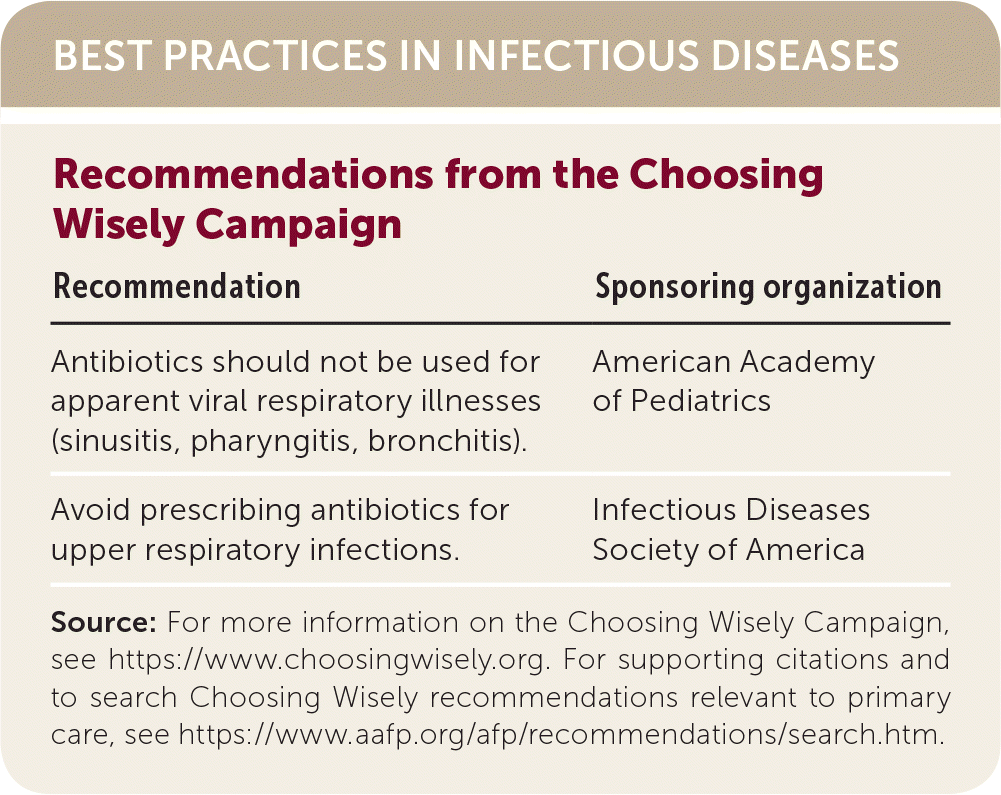
Why Antibiotics Are Ineffective for Colds
Antibiotics for the common cold? A classic mismatch. People demand them from doctors anyway—up to 30% of prescriptions go this route despite zero benefit. Why? Misplaced faith that any infection needs killing.
Reality check: colds are viral, period. Antibiotics like amoxicillin shred bacterial cell walls but glance off viruses harmlessly. The CDC warns this overprescribing breeds resistance, making real bacterial threats harder to fight later. Your runny nose might feel bacterial (yellow mucus screams that), but it’s usually just your immune system battling viruses.
Skip them unless a doctor confirms strep or sinusitis. Self-medicating? Waste of money and a risk for side effects like diarrhea.
Supporting Your Body’s Natural Defense System
Since no OTC fix zaps the virus, what’s the play? Help your immune system do its job. Hydrate like crazy—warm fluids loosen mucus and soothe throats. Rest isn’t optional; it ramps up antibody production.
Gargle salt water for instant relief. Honey beats some cough syrups for kids over 1 (never for infants). Humidifiers combat dry air that worsens congestion. The CDC echoes this: supportive care trumps pills every time.
And prevention? Wash hands obsessively, dodge face-touching. Zinc or vitamin C might nudge recovery if you’re deficient, but don’t bank on miracles.
When to Seek Medical Attention
Most colds fade without drama. But watch for red flags: fever over 101°F lasting days, wheezing, or symptoms dragging past 10 days. Ear pain or thick green discharge? Could signal bacteria joining the party.
Kids under 3 or anyone with asthma/chronic issues needs quicker checks. The Cleveland Clinic advises seeing a doc if breathing hurts or dehydration hits. Better safe than sorry—early intervention prevents complications like pneumonia.
Sources
- Mayo Clinic Cold Remedies — Explains why OTC drugs relieve but don’t cure cold symptoms: https://www.mayoclinic.org/diseases-conditions/common-cold/in-depth/cold-remedies/art-20046403
- CDC Common Cold Treatment — Details supportive care over antivirals for viral colds: https://www.cdc.gov/common-cold/treatment/index.html
- Cleveland Clinic Common Cold — Covers viral causes and why no cure exists: https://my.clevelandclinic.org/health/diseases/12342-common-cold
- American Academy of Family Physicians — Reviews evidence on effective OTC remedies: https://www.aafp.org/pubs/afp/issues/2019/0901/p281.html
Conclusion
Over-the-counter medicines ease the common cold’s misery but can’t cure it—the virus runs its course, outlasting any symptom patch. Lean on rest, fluids, and smarts over antibiotics or miracle pills. You’ll bounce back stronger, and skip the resistance headache. Next sniffle, remember: your body knows best.
Over-the-counter cold medicines do not cure the common cold because the illness is caused by viruses, and these medicines only relieve symptoms such as congestion, cough, and pain. They do not affect the virus itself, so they cannot shorten the duration of the infection. Antibiotics, which target bacteria, are ineffective against viral colds. Even decongestants, antihistamines, and pain relievers can only ease discomfort but do not prevent or accelerate recovery. Therefore, the best approach is to rest, stay hydrated, and use supportive measures while the immune system clears the virus.
Over-the-counter medicines for the common cold are designed to relieve symptoms such as pain, fever, congestion, and cough, but they do not target the virus that causes the illness. The cold is caused by a variety of rhinoviruses and other respiratory viruses that the body must fight on its own; there is no antiviral drug approved for these viruses. Because the medicines only act on the body’s inflammatory response or mucus production, they can make you feel better temporarily but they do not eliminate the virus or shorten the duration of the illness. Consequently, the common cold typically resolves on its own within a week or so, and the best approach is supportive care and rest.
Over-the-counter (OTC) cold medicines are designed to relieve symptoms such as congestion, cough, and fever, not to eliminate the virus that causes the cold. The common cold is caused by more than 200 different viruses, most commonly rhinoviruses, and these viruses replicate inside the cells lining the nose and throat. Because the medicines target the body’s inflammatory response or mucus production, they do not interfere with viral replication. Antibiotics are ineffective because they kill or inhibit bacteria, not viruses, so they have no effect on a viral infection. Even antiviral drugs that are available for influenza do not work against the rhinoviruses that cause most colds, and no antiviral is approved for routine cold treatment. Consequently, the only way a cold resolves is for the immune system to clear the virus over the course of 7–10 days.
Over-the-counter cold remedies do not cure the common cold because the illness is caused by a diverse group of viruses, primarily rhinoviruses, that are not affected by antibiotics or most symptomatic drugs. The only medications that consistently reduce symptom severity are non-steroidal anti-inflammatory drugs (e.g., ibuprofen), decongestants (e.g., pseudoephedrine or intranasal oxymetazoline), and, in some cases, zinc lozenges when started early. Most other OTC preparations, such as antihistamine-decongestant combinations, cough suppressants, and herbal remedies, have little or no proven benefit and may even cause harm, especially in young children. Because these drugs only target symptoms and not the viral pathogen, they cannot shorten the course of the illness. Consequently, the American Academy of Family Physicians recommends focusing on symptom relief and preventive measures like hand hygiene rather than relying on OTC cold medicines to cure the virus.
